










6,000 Trained Coaches Globally

30 Years’ Coaching Expertise

Coaching for Grief and Loss in the workplace

Grief Doesn’t Stay at Home: Why Workplaces Need the Courage to Acknowledge Loss

Grief Awareness Week (2–8 December 2025) invites us to recognise something profoundly simple yet often overlooked: grief comes to work with us.

Loss, whether personal or professional, affects how we think, feel, connect and perform. Yet many workplaces still lack the language, confidence or structures to acknowledge it.

We believe that creating space for honest conversations about grief isn’t just compassionate it’s essential for healthy, human-centred workplaces. This article explores the invisible griefs that show up at work, why grief literacy matters for leaders, and how small acts of humanity can transform organisational culture.

Grief Doesn’t Stay at Home.

Grief doesn’t wait politely outside the office door. We bring our whole selves to work – including our losses.
And when loss begins at work – a redundancy, restructure, or change in role – it doesn’t stay in the office; we take it home.

Grief travels both ways, yet many workplaces have no language or policy for it.

Research from Hougaard and Carter (2022) and the CIPD (2023) shows that empathy and psychological safety improve retention, engagement, and innovation. When grief is acknowledged, people recover faster, return more fully, and stay more loyal.

If organisations don’t acknowledge personal losses, people end up suffering in silence. When people feel seen in their hardest times, they remember it forever and give more of themselves when they can.

The Invisible Griefs of the Workplace

One of the paradoxes of progress is that moving forward nearly always involves a loss of some kind.
Every transition has two parts: an ending and a beginning. Every reorganisation, change or even promotion can create ripples of loss:

  • Loss of competence – “I used to know how to do this job.”
  • Loss of belonging – “My old team isn’t here anymore.”
  • Loss of control – “Change was done to me.”

Unworked endings can surface as resistance, ambivalence, or fatigue in the next chapter.

Honouring what is past allows people to step into what’s next with more clarity and energy. In moments of change, rather than rushing forward, invite colleagues to take a backward glance and ask the question

“Now you are here – how do you feel about not being there?”

Grief Literacy – A Necessary Leadership Skill

A manager’s or leader’s role doesn’t always include being a coach, but it should include listening, and acknowledging the personal and professional losses faced by their colleagues and team members. Grief literacy in the workplace is about leadership that can bear emotion without rushing to fix it.


Sometimes that means simply saying:

  • “How are you today?”
  • “Take the time you need; I’ll check in with you next week.”
  • “What might help you feel supported right now?”
  • “You don’t have to have it all together. We will adjust as needed.”

Unacknowledged can grief leads to disengagement, resentment, and the loss of good people.

Compassionate leaders and cultures build retention, creativity, and psychological safety.

Small acts of humanity build organisational culture

What Organisations Can Do:

  • Embed grief awareness into leadership and management training.
  • Normalise conversations about loss, change, and transition.
  • Offer grief-informed support: flexible leave, return-to-work plans, supervision, and peer groups.
  • Extend policies beyond bereavement to include all forms of loss.
  • Create rituals of acknowledgment and thoughtful farewells.


When we reflect on how grief has shown up in our workplaces, we often remember both the moments of kindness and support that made a difference – and the words, silences or actions that didn’t.

References:
Chartered Institute of Personnel and Development (CIPD) (2023). Health and wellbeing at work. London: CIPD.

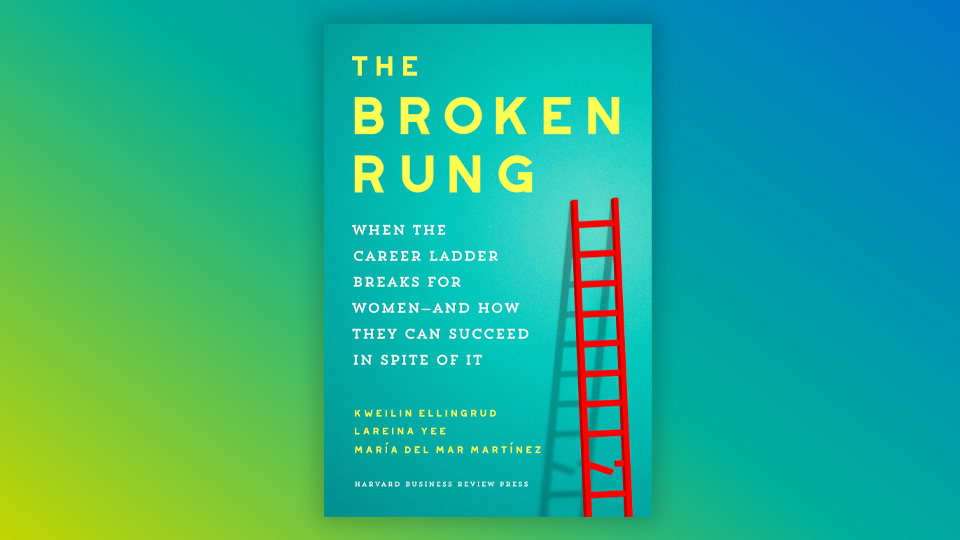
Rasmus Hougaard & Jacqueline Carter (2022). Compassionate Leadership: How to Do Hard Things in a Human Way. Harvard Business Review Press.

Enjoying these insights? Get more free tips and expert perspectives delivered straight to your inbox.

SIGN UP FOR UPDATES

Get to Know Barefoot Coaching

Making the world a brighter place through exceptional coaching.

ABOUT US

Leave a Reply

Your email address will not be published. Required fields are marked *

Barefoot Coaching

Barefoot Coaching

Browse Our Courses

Two women sat having a coaching conversation during their Barefoot Training
ICF Level 2

ICF Accredited Coach Training

Develop your coaching skills with ICF Level 2 accredited training — blending tools, psychology, and practice, grounded in real coaching experience. Open to all backgrounds, with University of Chester options.

Office environment with trained Barefoot Coaches

Workplace Coaching

Our workplace coaching offer develops leaders and teams through practical tools, psychology, and real coaching expertise — building cultures of trust, resilience, and performance across every organisation.

A woman is sat on a leather back sofa. She is looking over at her colleague who is sitting to the left of her.

Leader as Coach

Our Leader as Coach programme equips leaders with coaching skills to inspire, engage, and empower. Blending theory with practice, it transforms everyday conversations into opportunities for growth.

A team of 6 sit around a table engaged in conversation. The man at the head of the able has his laptop open and one of the women at the table has a table. She is smiling as everyones eyes focus on her.

Team Coaching Practitioner Programme

This dynamic programme blends advanced learning on group and team dynamics with practical coaching experience — empowering you to coach teams confidently. Accredited with 40 ICF CCE points.

Guide to Grief and Loss
Brand New

Certificate in Coaching for Grief & Loss

This pioneering programme builds the skills, insight, and empathy to coach clients through grief and loss in all its forms. Accredited with 40 ICF CCE points.